
A private space.
Somewhere you will not be overheard or interrupted for the length of the session. A closed room is ideal. A parked car works, and more people use one than you might expect.

The most common reason people stop attending counselling is not that it has stopped helping.
It is the drive. The appointment that eats up three hours of an evening. The week the car was needed elsewhere. The winter month when the roads were bad twice and the habit never came back.
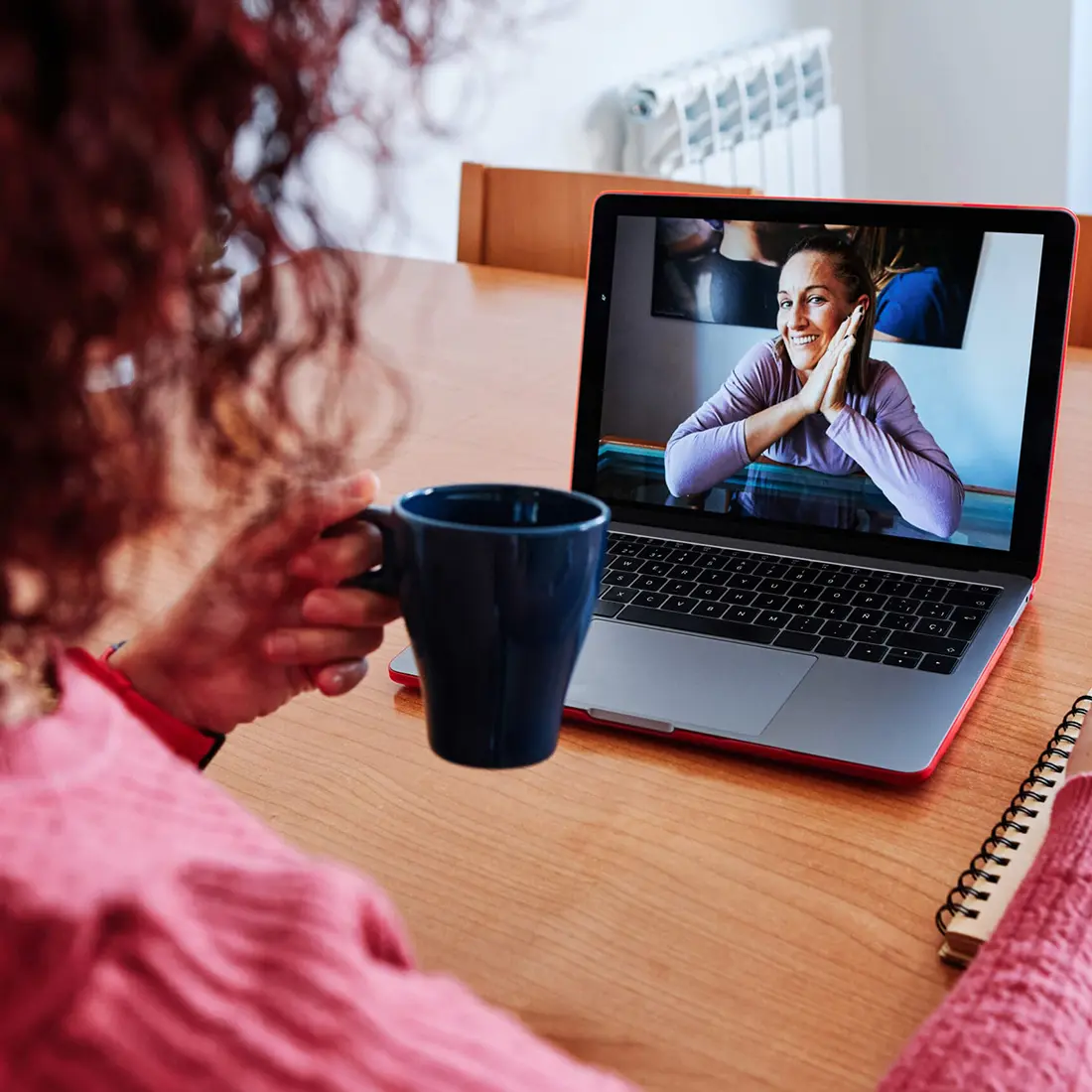
Online counselling removes that barrier, and for many people, it makes the difference between actually attending and just intending to attend.
C.S. Counselling & Consulting Services offers online counselling across Ontario, alongside in-person appointments at our Brampton clinic.
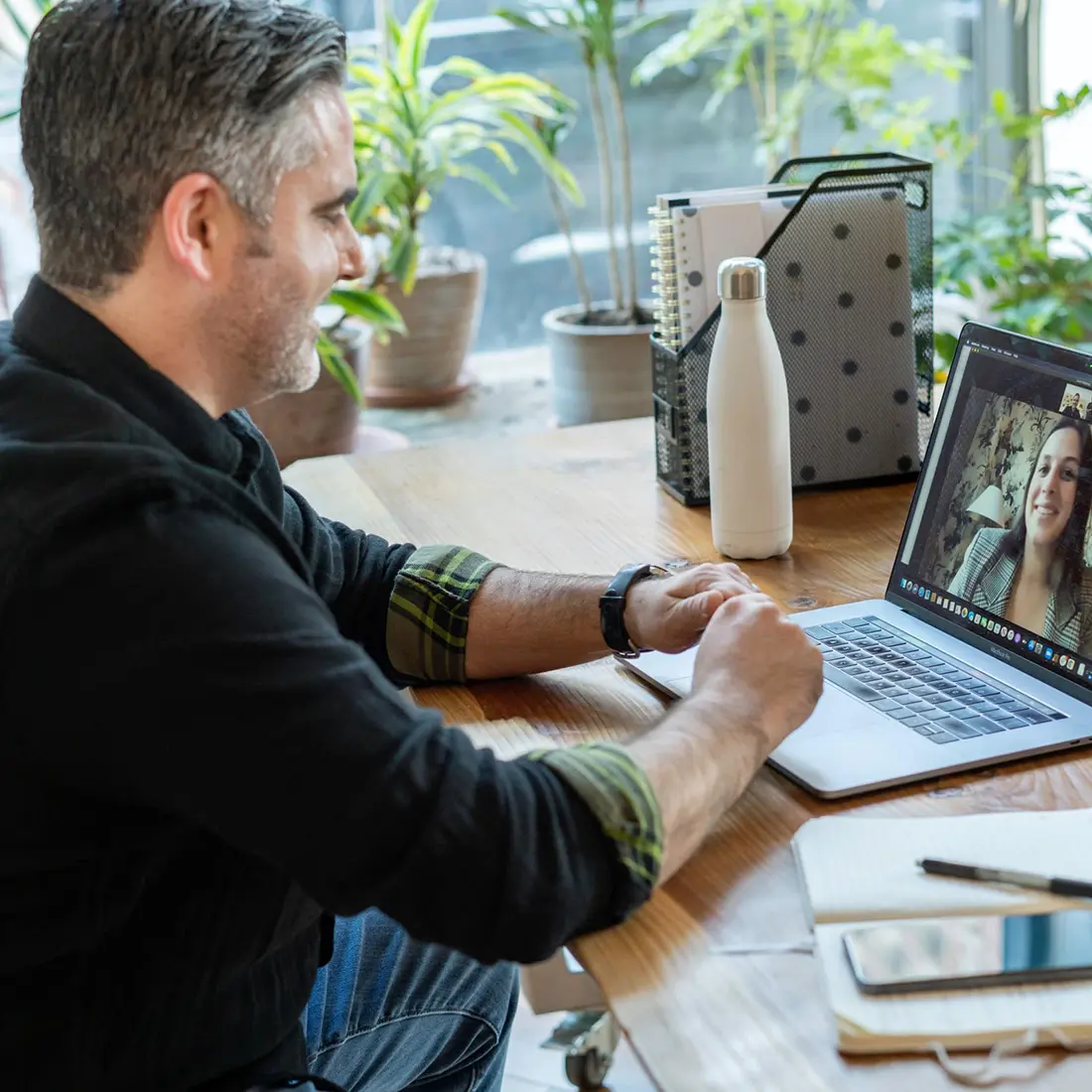
It is the same counselling, but conducted over video rather than in a room.
The therapist is the same. Their training and registration are the same. Their professional confidentiality obligations are the same. Sessions run for 60 minutes, as they do in person, and cost the same. What changes is where you sit.
You will still discuss what has been happening, still work toward something, and still be asked to try things between appointments. Nobody hands you a worksheet and leaves you to it.

Most of our team sees clients online as well as in person:
Our founder, Coslyn Selby, RSW, sees clients in person at our Brampton clinic.
When you get in touch, tell us if online is essential for you, and we will factor it in alongside everything else when suggesting a therapist.
Meet Our Counselling Team →Online counselling often works well for people who:
We would rather be honest about the situation than sell it to everyone.
In-person sessions may be the better arrangement if:
Your therapist will give you an honest view during the consultation. If online therapy is not appropriate, we will let you know.

For many common concerns, virtual counselling is a well-established way to deliver therapy, and a great deal of counselling now takes place this way.
What matters most is not the format. It is the relationship with your therapist, whether you can be honest, and whether you keep going. On that last point, online sessions often have an advantage, because the barrier to attending is so much lower.
Some people find it easier to say difficult things from their sofa than in a consulting room. Others find the opposite. Neither reaction is unusual.
You are not locked in. Many clients attend in person when it suits and switch to online when it does not, subject to their therapist's availability.
Not much.
Somewhere you will not be overheard or interrupted for the length of the session. A closed room is ideal. A parked car works, and more people use one than you might expect.
A laptop, tablet, or phone.
If yours is patchy, mention it when booking rather than discovering it mid-session.
Not essential, but they improve privacy considerably in a shared home.
You do not need any technical skill. Your therapist will send you a link, and you click it at the appointed time.
Sessions take place by video, using a link your therapist sends you directly.
Sessions are not recorded.
Your therapist is bound by the same professional and legal confidentiality obligations online as in person and will explain those obligations and their limits at the start of your work together.
Your privacy is also important, and a little planning can help. Choose the room with a door. Let people in the house know you need an hour. Use headphones if the walls are thin.
If privacy at home is the problem, tell us. Sometimes attending in person is the more private option, which is not an outcome people expect.

Our clinicians are registered in Ontario and can work with clients located anywhere in the province.
That includes Brampton, Mississauga, Caledon, and the rest of Peel Region; the Halton Region; Toronto and the wider GTA; and communities well beyond the region.
It does not extend outside Ontario. Professional registration is provincial, so if you are temporarily elsewhere in Canada or abroad, tell your therapist, as it affects whether a session can go ahead.
The free 30-minute consultation can be arranged online, in person, or in some cases by telephone depending on the therapist.
Online sessions are charged at the same rate as in-person sessions. Individual sessions are $160 for 60 minutes.
We do not bill insurers directly. You pay at the end of each session and claim it back using the receipt we provide. Most plans that cover counselling treat virtual sessions the same as in-person ones but confirm directly with your insurer before booking.
Fees & Insurance →Most do. Sabrina, Parveen, Pallavi, Komal, and Sierra see clients online. Coslyn sees clients in person at our Brampton clinic.
Your therapist will send you a link to join and explain anything further when you book.
This may be possible depending on the therapist and your circumstances. Ask at the consultation.
Often, yes. It depends on your therapist's availability.
Your therapist has the same professional obligations as in person and will explain the limits at the start.
No.
Often yes. Virtual sessions can allow family members in different locations to attend together, which is sometimes easier than gathering everyone in one room.
In many cases, yes, including when partners are living apart. Discuss it at the consultation.
It happens. Your therapist will have agreed to a backup with you, usually a phone call.
No. Our clinicians are registered in Ontario and can work with clients who are located in Ontario.
No, the fee is the same. What you save is the travel cost.
You do not need to decide between online and in-person before getting in touch. That is one of the things we will talk about in the first conversation.
Tell us what has been happening and what your week looks like, and we will work out a realistic arrangement.
We'll start by listening.
If you are in immediate distress or concerned about your safety, please contact emergency services or a local crisis line. Ongoing counselling is not an emergency service.