
Thoughts
What you assume, believe, or tell yourself about a situation.


You may know that a thought is making you anxious, frustrated, or hard on yourself and still find it difficult to stop believing it.
Maybe you automatically expect the worst. A small mistake becomes proof that you have failed. You replay conversations long after they have ended. Or you avoid situations because imagining what could go wrong feels easier than facing the uncertainty.
These patterns can become exhausting, especially when you understand logically that they may not be helping but still find yourself reacting in the same way.
Cognitive Behavioural Therapy (CBT) is a practical therapeutic approach that helps people understand the connections between their thoughts, emotions, and behaviours and explore different ways of responding.
At C.S. Counselling & Consulting Services, CBT may be incorporated into counselling when it fits your concerns, goals, and the professional training of your therapist.
CBT-based counselling is available through appropriately trained clinicians at our Brampton counselling practice, with virtual counselling available across Ontario.
CBT is based on a simple but powerful idea:
The way we interpret a situation can influence how we feel and what we do next.
Imagine you send someone a message and they do not reply.
The situation has not changed.
But the meaning you give it can affect your emotions and what you do next.
You might feel anxious, repeatedly check your phone, send another message, or spend the next hour replaying the conversation.
CBT helps you become more aware of these patterns so you can examine them rather than automatically following them.
It often looks at three connected areas:
What you assume, believe, or tell yourself about a situation.
How those interpretations may contribute to feelings such as anxiety, sadness, frustration, guilt, or fear.
What happens next, such as avoiding, withdrawing, repeatedly seeking reassurance, or reacting impulsively?
Over time, these patterns can reinforce one another.
CBT can help you recognize the cycle and explore healthier or more balanced responses.

CBT is used in mental health care for a range of emotional and behavioural concerns.
Depending on your circumstances and your therapist's clinical assessment, CBT may support people experiencing:
It is often useful for people who have already tried to think their way out of something and found that understanding it did not change it.
ACT is not automatically right for everyone, and a therapist should assess that rather than assume.
CBT is sometimes misunderstood as simply learning to "think positively."
That is not the goal.
CBT encourages you to look at thoughts with greater curiosity and ask whether they are accurate, balanced, and useful.
For example:
"If I make one mistake during this presentation, everyone will think I am incompetent."
A therapist might help you explore questions such as:
The aim is not to pretend that nothing difficult will happen.
It is to develop more flexible ways of interpreting and responding to difficult situations.
Behaviour is also an important part of CBT.
Depending on your goals, counselling may involve reducing avoidance, developing healthier routines, practising communication skills, improving problem-solving, or gradually approaching situations you have been avoiding.
CBT tends to be collaborative and goal-focused.
Before working on strategies, your therapist needs to understand what has been happening and what you want to change.
Sessions may involve:
Your therapist may sometimes suggest exercises to try between appointments.
That is because CBT is not only about what happens during the counselling session. An important part of the process can involve noticing and practicing new responses in everyday life.
CBT may appeal to people who prefer therapy that feels practical, collaborative, and structured.
You may be interested in CBT if you notice yourself:
But you do not need to decide that CBT is right for you before speaking with a therapist.
Some clients may benefit from CBT alone, while others may work with CBT alongside solution-focused therapy, mindfulness-informed strategies, or other approaches depending on their needs and the clinician.
At C.S. Counselling, therapy does not begin with:
"Which technique should we use?"
It begins with:
"What have you been experiencing?"
Our approach follows three principles:
We first understand what has been happening in your life and what is bringing you to counselling.
We explore the thoughts, emotions, behaviours, relationships, and experiences that may be relevant to your concerns.
When CBT is clinically appropriate, your therapist may use CBT strategies to help you recognize patterns and develop healthier ways of responding.
C.S. Counselling has supported clients since 2011, and every therapist on our team uses CBT alongside other approaches:
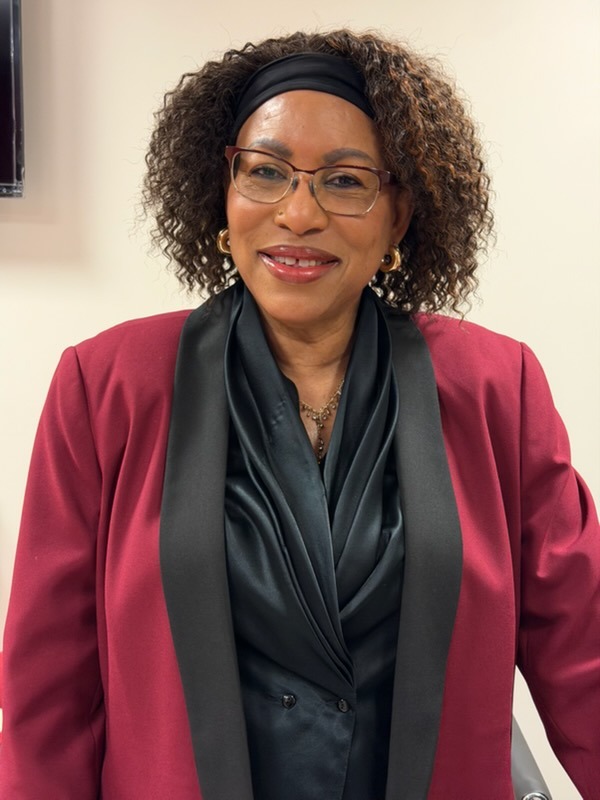





In-person counselling is available at the following locations:
C.S. Counselling & Consulting Services 2250 Bovaird Drive E, Suite 408 Brampton, ON L6R 0W3Online sessions across Ontario are available with Sabrina, Parveen, Pallavi, Komal, and Sierra.
No. CBT involves examining thoughts more realistically and understanding how thoughts and behaviours may influence emotions. The aim is greater balance and flexibility, not forced positivity.
CBT is commonly used when working with anxiety, worry, and avoidance. Whether it is appropriate for you depends on your individual circumstances and your therapist's assessment.
CBT may help some clients explore thinking and behaviour patterns associated with low mood, reduced motivation, and withdrawal.
There is no single number that applies to everyone. The length of counselling depends on your concerns, goals, progress, and overall therapeutic plan.
Yes, across Ontario with selected therapists. You can discuss whether CBT is appropriate with your therapist.
You do not need to know whether CBT is the right therapy for you before reaching out.
Start by telling us what has been happening, what feels difficult, and what you would like to be different.
From there, we can help you explore whether CBT or another therapeutic approach may fit your needs.
We'll start by listening.
Book Your Free 30-Minute ConsultationC.S. Counselling & Consulting Services
2250 Bovaird Drive E, Suite 408
Brampton, ON L6R 0W3
Cognitive Behavioural Therapy (CBT) in Brampton | Virtual Counselling Across Ontario
If you are in immediate distress or concerned about your safety, please contact emergency services or a local crisis line. Ongoing counselling is not an emergency service.