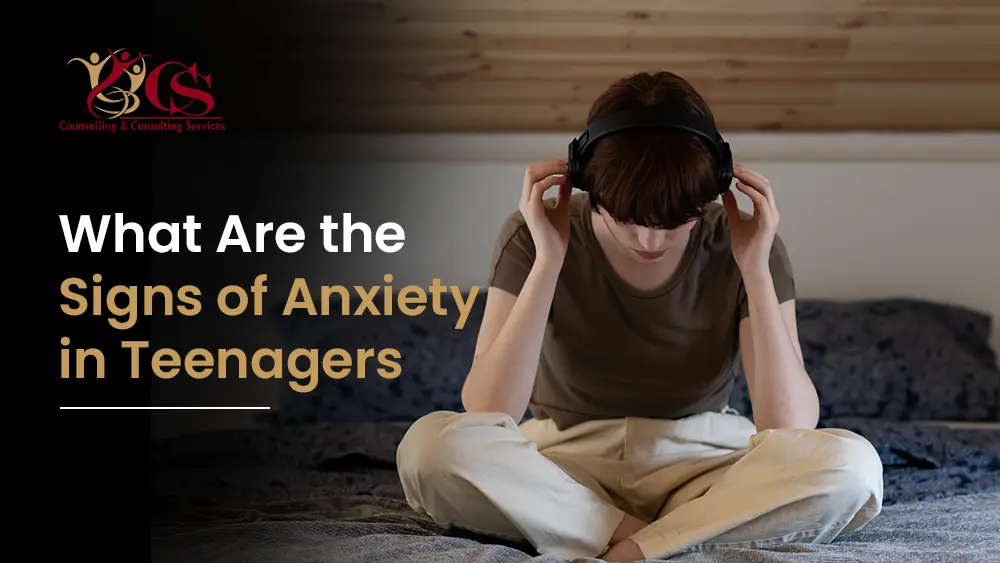
Your teenager comes home from school, drops their bag, and heads straight to their room. They don't want to talk about their day. Homework takes longer than usual, and Sunday evenings often end with complaints of stomach aches.
At first, you might blame exam pressure, mood swings, or too much screen time. But what if something else is bothering them?
Anxiety doesn't look the same in every teenager. Some become unusually quiet. Others get irritated over small things. Many continue attending school and meeting friends while worrying constantly.
Understanding what are the signs of anxiety in teenagers helps parents notice when their child may need extra support.
What Are the Signs of Anxiety in Teenagers and How Can Parents Recognise Them?
Teenagers have plenty to worry about. Exams, friendships, appearance, and fitting in can feel like enormous problems at this age.
It's normal to feel a little nervous before a test. But worrying so much that you cannot sleep, concentrate, or enjoy everyday activities is different.
Anxiety in teens can manifest as avoidance, irritability, physical complaints and changes in school behavior, explains the Child Mind Institute.
Parents often notice these changes before their teenager explains what's wrong.
8 Signs Your Teenager Might Be Struggling With Anxiety
1. They Worry About Small Things for Hours
Your teenager finishes an exam but keeps thinking about one answer they might have gotten wrong.
They replay conversations, worry about disappointing teachers, or imagine embarrassing scenarios that haven’t happened.
Even when you reassure them, the same worries return.
If these thoughts are getting in the way of everyday life then Anxiety Counseling may help them to understand what they are experiencing.
2. They Suddenly Don't Want to Go to School
School avoidance doesn't always mean a teenager dislikes studying.
Some fear speaking in class. Others worry about bullying, friendships, or being judged.
You might hear excuses about headaches or stomachaches every Monday morning.
Rather than accusing them of making excuses, ask what's making school difficult.
3. They Complain About Headaches or Stomachaches
Anxiety can affect the body.
A teen may feel sick before a presentation, have a racing heart, or muscle tension.
Common physical complaints include:
- Headaches without an obvious cause.
- Stomach pain before school.
- Sweaty hands or trembling.
- Difficulty falling asleep.
- Feeling tired throughout the day.
Don't automatically blame anxiety. A healthcare professional should check recurring physical symptoms.
4. They Get Angry Over Ordinary Questions
You ask whether they've finished their homework, and they snap at you.
Later, they apologise but cannot explain why they reacted that way.
Some anxious teenagers become irritated when they feel overwhelmed.
Through Mental Health Counselling, teenagers can explore what's bothering them and practise handling difficult emotions.
5. They Stop Spending Time With Friends
Perhaps your teenager used to enjoy birthday parties and weekend outings. Now, they turn down every invitation.
They might be scared of being humiliated, of saying the wrong thing or of feeling awkward around people.
Not all teens who like to be alone are anxious. The concern is a noticeable change in behaviour, particularly when fear causes them to miss activities they once liked.
6. They Keep Saying They're Not Good Enough
Listen to how your teenager talks about themselves.
Such statements as “everyone is smarter than me” or “I’m going to screw everything up” can be signs of deeper fears.
Fear of failure can make them avoid new experiences.
Self Esteem & Confidence Counselling may help teenagers question negative beliefs about themselves.
7. They Struggle to Sleep
Some teenagers lie awake thinking about unfinished assignments, arguments with friends, or what might happen tomorrow.
Some wake during the night and have trouble falling back asleep.
Lack of sleep can leave them exhausted and more irritable the following day.
8. They Lose Interest in Things They Enjoyed
Your teenager stops playing their favourite sport or no longer wants to see close friends.
Anxiety can lead to avoidance, but a lack of interest in activities could be depression.
If sadness, tiredness, and withdrawal continue, consider professional assessment. Depression Counselling may form part of the support recommended.
What Makes Teenagers Feel So Anxious?
Sometimes, a teenager can explain exactly what's worrying them. Other times, they can't identify one clear reason.
School pressure, friendship problems, bullying, family arguments, and social media can all contribute.
Teens also can have a hard time when they change schools, when their parents separate, or when there are changes in the home.
Family Counseling may help parents and children to talk about what is happening when family disagreements affect a teenager’s wellbeing.
How Can Parents Help an Anxious Teenager?
Start with a conversation, not a lecture.
Instead of saying, "You have nothing to worry about," try asking, "What's been the hardest part of your week?"
Give them time to answer.
Do not compare them to their siblings or classmates. Help them maintain a manageable routine, get enough sleep, and take breaks from schoolwork.
If anxiety keeps interfering with daily life, Youth Counselling may be worth considering.
Cognitive Behavioral Therapy (CBT) is a popular treatment for teenage anxiety. It teaches them to recognise anxious thoughts and gradually face feared situations.
When Is Teenage Anxiety Serious Enough for Counselling?
Occasional nervousness doesn't necessarily require treatment.
But if your teen is skipping school, pulling away from friends, losing sleep, or feeling swarmed by worry, speak with a healthcare or mental health professional.
Seek urgent help if they talk about suicide, self-harm, or feeling unsafe.
Talk to CS Counselling About Teenage Anxiety
Watching your teenager struggle can leave you wondering whether to step in or give them space.
CS Counseling provides Anxiety Counseling, Youth Counseling, and Family Counseling to those seeking emotional support in Brampton.
Parents can ask about available appointments and Online Counseling options. A professional assessment can help determine what kind of support suits their teenager's needs.
Frequently Asked Questions
1. What are the early signs of anxiety in teenagers?
Constant worrying, irritability, sleep difficulties, stomachaches, and avoiding school or friends are common signs.
2. Can teenage anxiety cause anger?
Yes. Some teenagers become irritable or angry when worries feel overwhelming.
3. Why does my teenager feel anxious at school?
Exams, bullying, social pressure, friendships, or fear of embarrassment may contribute.
4. Can teenagers recover from anxiety?
Many teenagers improve with suitable treatment, family support, and time. Progress varies.
5. When should parents seek anxiety counselling?
Consider counselling when persistent anxiety affects sleep, school, friendships, or everyday activities.