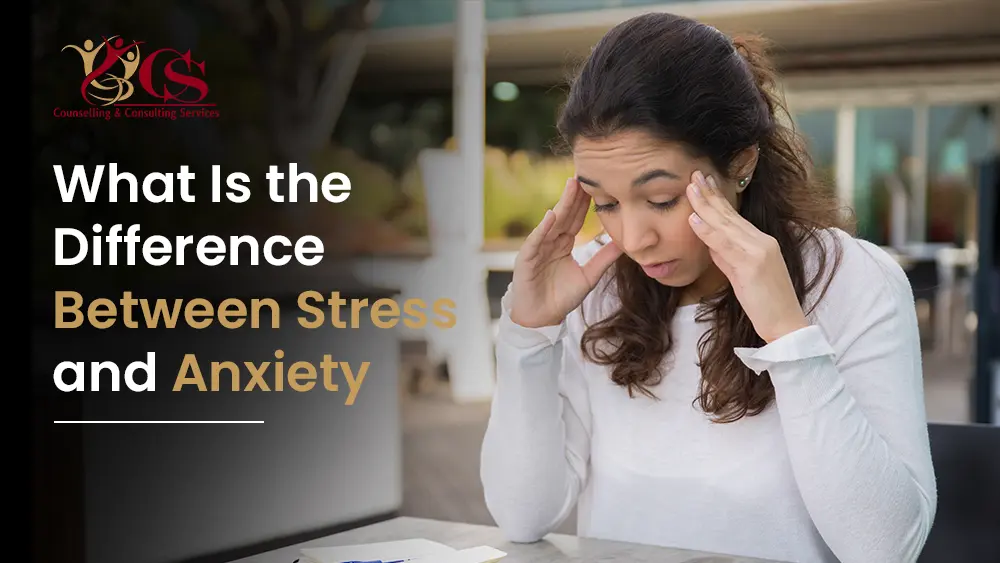
Do you ever have a day when it all seems too much? Maybe your boss piled more work on your lap, the bills kept coming in or something was bugging you at home. You couldn't relax, and your mind kept jumping from one problem to another.
Most people call this stress. But what happens when the same uneasy feeling stays with you, even after things settle down?
That's where anxiety may come in.
Many people wonder, what is the difference between stress and anxiety? They can seem very similar but knowing what makes them different can help you understand what you’re going through.
What Is the Difference Between Stress and Anxiety in Daily Life?
Stress usually has a reason behind it. You might have a difficult conversation coming up, an unpaid bill, or too much work to finish. Once you deal with the problem, you may start feeling better.
Anxiety works a little differently. You can worry about things that have not happened. Even when life seems fine, your mind keeps asking, "What if something goes wrong?"
Think about someone preparing for an important interview.
They may feel stressed the night before. But once the interview ends, that tension usually fades.
Imagine someone who is afraid of losing their job, yet everything is fine at work. That ongoing worry could be a sign of anxiety.
Still, the two often overlap. Long periods of stress can sometimes make anxiety worse.
How Does Stress Affect Your Body?
Stress doesn't just affect your mood. Your body reacts too.
When you feel stressed your body releases hormones like adrenaline and cortisol. These help you respond to challenging situations.
You might notice:
- Tight shoulders or frequent headaches
- A faster heartbeat
- Trouble falling asleep
- Feeling tired throughout the day
- Stomach problems
- Getting irritated over small things
These reactions can happen during short periods of stress. However, when pressure continues for weeks or months, it may affect your health and everyday routine.
What Does Anxiety Feel Like?
Anxiety can make an ordinary day feel difficult, even when nothing particularly bad has happened.
You wake up anxious and you don't know why. You may replay conversations in your head or worry about situations that are still days away.
Some people experience:
- Constant thoughts about what might go wrong
- Difficulty sitting still or relaxing
- Sweating or a racing heartbeat
- Problems concentrating at work
- Fear of making mistakes
- Avoiding certain places or situations
Anxiety doesn't look the same for everyone. Some people talk openly about their worries, while others hide them.
If these feelings keep coming back or are getting in the way of your daily routine, Anxiety CS Counseling can help you figure out what’s going on.
What Causes Stress and Anxiety?
There isn't always one clear reason.
Stress can come from everyday problems such as work deadlines, money troubles, family arguments, or relationship changes.
Anxiety can involve similar things, but it can also be related to past experiences, uncertainty, family history or how a person reacts to fear.
Moving to another country, for example, can put pressure on people, financially and emotionally. Someone adjusting to a new environment may benefit from Immigration & Newcomers CS Counselling.
Relationship problems can also impact emotional health. In such situations, Couples CS Counselling may help partners talk through problems that have become difficult to handle alone.
How Can You Manage Stress and Anxiety Naturally?
You don't have to change your entire lifestyle overnight. Start by noticing what makes your day harder.
Take Breaks Before You Feel Exhausted
If you've been sitting at your desk for hours, get up and walk around. Even a short break can help you return with a clearer mind.
Stop Trying to Solve Everything at Once
Write down what's bothering you. Choose one problem you can deal with today instead of worrying about everything together.
Pay Attention to Your Sleep
Poor sleep can make stress and anxiety harder to manage. Try sleeping and waking at similar times each day.
Talk About What's on Your Mind
Keeping every worry to yourself can feel lonely. Speak with someone you trust rather than pretending everything is fine.
Try Mindfulness-Based Therapy Techniques
Mindfulness involves paying attention to the present moment. Simple breathing exercises or noticing what's happening around you may help when your thoughts start racing.
These habits can help, but they are no substitute for treatment once symptoms are severe.
Can Therapy Help With Stress and Anxiety?
Yup. Talking to a trained mental health professional can help you understand your concerns and find practical ways to handle them.
Different people need different kinds of support.
Cognitive Behavioral Therapy (CBT) helps people learn to identify thoughts that increase fear or worry. A therapist can then work with them to question those thoughts and change unhelpful habits.
Acceptance & Commitment Therapy (ACT) is a way to make space for hard feelings, but still take actions that matter to you.
Person-Centred Therapy gives people space to talk about their feelings without judgment.
Individual Counseling can be helpful if personal problems are starting to interfere with sleep, work or relationships.
A therapist may use one approach or combine methods based on your needs.
When Should You Speak to a Counsellor?
Everyone feels stressed sometimes. Feeling nervous before an exam or worrying about money doesn't automatically mean you have an anxiety disorder.
However, consider getting help if:
- You worry almost every day.
- Your sleep has suffered for several weeks.
- You avoid people or activities because of fear.
- Small problems leave you feeling overwhelmed.
- Your relationships or work have started suffering.
You don't need to wait until things become unbearable.
Find Support With C.S. Counselling
Sometimes, talking to someone outside your family or friend circle makes it easier to explain what you're feeling.
C.S. Counseling & Consulting Services is a Brampton service that supports people with anxiety, relationship problems, emotional difficulties and everyday pressures.
If you are seeking Mental Health Counseling, Individual Counseling or Online Counseling, speaking with a qualified professional can help you discuss concerns you have been carrying for a long time.
Visit C.S. Counselling to learn more about available services and counselling options.
Frequently Asked Questions
1. How do I know if I have stress or anxiety?
Stress usually connects to a specific problem. Anxiety may continue even when there's no immediate reason to worry.
2. Can stress cause anxiety?
Yes. Long periods of stress can increase anxiety symptoms, especially when you don't get enough rest or support.
3. Can anxiety go away on its own?
Some anxiety improves when circumstances change. Persistent or severe anxiety may require professional support.
4. Is CBT helpful for anxiety?
Yes. CBT is a well-studied treatment that helps people manage worrying thoughts and behaviours.
5. When should I seek anxiety counselling?
Consider counselling when anxiety regularly affects your sleep, work, relationships, or ability to enjoy daily activities.