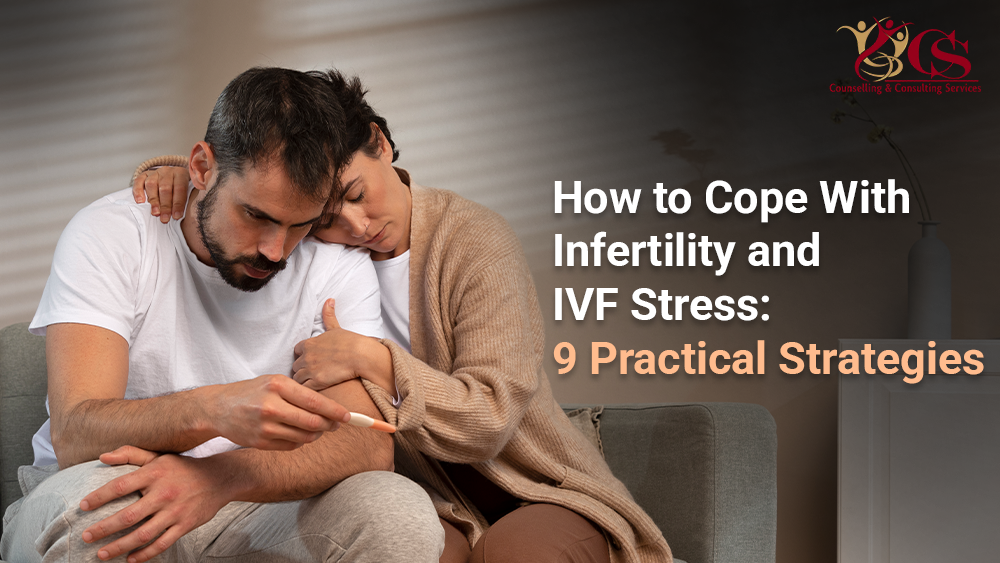
Quick Answer: Coping with infertility and IVF stress involves acknowledging difficult emotions, limiting repeated symptom searches, preparing for treatment milestones, communicating with your partner, setting boundaries, and seeking support. These steps cannot determine whether treatment succeeds, but they can make uncertainty easier to manage.
Trying to conceive can take over a calendar and change how someone imagines the future. Pregnancy announcements and ordinary questions about children may suddenly feel painful.
According to the World Health Organization, approximately one in six people of reproductive age experience infertility during their lifetime. Yet no two people experience its emotional impact in exactly the same way.
1. Why Does Infertility Affect Mental Health?
Infertility can affect mental health because it combines uncertainty, repeated disappointment, and reduced control over an important life goal. Some people experience anxiety or sadness; others feel anger, guilt, or pressure to stay positive.
There may be no clear opportunity to grieve. One treatment cycle ends and another begins. Someone can function well at work while privately worrying about the next test.
Instead of judging these feelings, try naming them: "I am disappointed," "I am scared," or "I need a break." Distress does not automatically mean someone has a mental health disorder.
2. How Can You Manage Anxiety During the Two-Week Wait?
During the two-week wait, decide when to test, limit symptom searches, and plan manageable daily activities. The period between ovulation or embryo transfer and pregnancy testing can make every physical sensation feel important.
Ask your fertility clinic when and how to test. Repeated early tests or searching for symptom meanings may add anxiety without providing reliable answers.
Choose activities that absorb your attention, such as seeing a friend, watching a film, or gentle movement if your medical team permits it. The aim is not to avoid your feelings, but to preserve ordinary moments while waiting.
When worry becomes persistent or begins affecting sleep and daily functioning, anxiety counselling may help you develop additional ways to manage overwhelming thoughts and uncertainty.
3. How Do You Handle Pregnancy Announcements and Family Questions?
You can protect your emotional well-being by choosing what to share and stepping away from intrusive conversations when needed. Privacy is a reasonable boundary.
Prepare a short response: "We are keeping our family plans private," or "I would rather not discuss that today." A supportive relative can help change the subject.
In some families, women face disproportionate blame for infertility, even though male, female, combined, and unexplained fertility factors all exist. Partners may experience social pressure differently.
If a baby shower feels overwhelming, sending a warm message instead of attending may be kinder to yourself. Feeling happy for someone else and sad about your own circumstances can happen at the same time.
4. What Can You Do When IVF Stress Affects Your Relationship?
When IVF stress affects a relationship, create space for treatment conversations and for time together that has nothing to do with fertility. Partners may care equally but cope differently.
One person might research every option while the other avoids the topic between appointments. Neither response necessarily signals indifference.
Try asking, "Would you like me to listen, help solve something, or give you space?" Set aside a specific time to discuss decisions rather than revisiting them throughout the day. Protect ordinary shared activities, too.
When recurring disagreements or emotional distance become difficult to manage, couples counselling can provide a supportive environment to understand different coping styles and improve communication.
5. How Can You Manage Stress Before and During Fertility Treatment?
Treatment stress becomes more manageable when you plan separately for medical questions, practical tasks, and emotional support. Uncertainty may remain, but avoidable confusion can decrease.
Write down questions before appointments, and ask your clinic whom to contact about medications or unexpected symptoms. Do not change treatment instructions based on online discussions.
Consider who could help with transport, food, household responsibilities, or childcare. If injections or procedures are frightening, tell the fertility team. Asking for clear explanations and practical help is part of caring for yourself.
6. How Do You Cope Emotionally After an Unsuccessful IVF Cycle?
After an unsuccessful IVF cycle, allow time for disappointment before deciding whether to continue, pause, or explore another option. The result may feel like the loss of a future you had started imagining.
One partner may want a medical explanation immediately, while the other needs quiet. Agree on when to return to the discussion.
A follow-up appointment can clarify what the result does and does not mean medically. Neither relatives nor clinicians should rush someone from grief into optimism.
When disappointment develops into ongoing grief or uncertainty about the future, life transitions counselling may offer additional emotional support while you navigate difficult changes and decisions.
7. How Can You Handle Guilt and Self-Blame?
Infertility is not a personal failure, and feeling distressed does not mean you caused the problem. Fertility outcomes depend on medical and biological factors, some of which remain unexplained.
Notice thoughts such as "My body failed" or "If I had relaxed, this would have worked." Are they established facts, or painful interpretations of uncertainty?
The American Society for Reproductive Medicine states that it is unclear whether stress prevents pregnancy. Managing stress can improve well-being, but it is not a guaranteed fertility treatment.
8. How Can You Build a Support System During Infertility?
A helpful support system includes people who respect privacy, listen without judgment, and offer practical help rather than unwanted advice. They do not have to share your experience to support you.
Tell trusted people what would help: a ride to an appointment, a check-in after test day, or simply listening without suggesting solutions.
If someone says "just relax," it is acceptable to explain why that feels hurtful. Support groups can reduce isolation, but choose spaces that feel supportive rather than competitive.
9. What Can You Do When Fertility Treatment Leaves You Emotionally Exhausted?
When treatment feels overwhelming, identify what can be delegated or paused, and seek support if distress interferes with everyday life. Exhaustion may come from months of medical procedures, expenses, uncertainty, and difficult conversations.
Consider taking a break from fertility-related social media, protecting sleep, and discussing treatment breaks with your fertility specialist when appropriate.
Persistent sadness, worry, or withdrawal deserves attention. For professional emotional support, explore IVF and infertility counselling at C.S. Counselling in Brampton, with eligible virtual appointments across Ontario.
Frequently Asked Questions About Infertility and IVF Stress
Can stress cause infertility or make IVF fail?
Stress has not been established as a direct cause of infertility or IVF failure. Managing stress can support emotional well-being, but cannot guarantee pregnancy.
Is it normal to feel jealous when someone else becomes pregnant?
Yes. Happiness for another person can coexist with grief about your own experience. You can offer congratulations while protecting your emotional space.
Should both partners cope with infertility in the same way?
No. Partners may need different amounts of conversation, privacy, reassurance, or time to process results. Respecting those differences helps.
Final Thoughts
Infertility can make life feel paused while everything else moves forward. You do not need perfect optimism. Support, flexibility, and self-compassion can help you navigate uncertainty without losing sight of your well-being.